Famous Last Words
The final utterances of history's most fascinating figures, from ancient philosophers to modern icons. Some profound. Some absurd. All unforgettable.
Showing 40 of 40 entries
"I have offended God and mankind because my work did not reach the quality it should have."
Leonardo da Vinci
Italian · Renaissance
"Was it done with radium or mesothorium?"
Marie Curie
Polish-French · Modern
"Last words are for fools who haven't said enough."
Karl Marx
German · Victorian
"Either that wallpaper goes, or I do."
Oscar Wilde
Irish · Victorian
"It is very beautiful over there."
Thomas Edison
American · Modern
"Don't let it end like this. Tell them I said something."
Pancho Villa
Mexican · Modern
"I am not the least afraid to die."
Charles Darwin
British · Victorian
"I should never have switched from Scotch to Martinis."
Humphrey Bogart
American · Modern
"I'm bored with it all."
Winston Churchill
British · Modern
"Jesus! Jesus! Jesus!"
Joan of Arc
French · Medieval
"A dying man can do nothing easy."
Benjamin Franklin
American · Colonial
"Friends, applaud. The comedy is finished."
Beethoven
German · Romantic
"Now, now, my good man, this is no time for making enemies."
Voltaire
French · Enlightenment
"Die, my dear? Why that's the last thing I'll do!"
Groucho Marx
American · Modern
"Tomorrow, at sunrise, I shall no longer be here."
Nostradamus
French · Renaissance
"Thomas Jefferson survives."
John Adams
American · Colonial
"Swear to make them cut me open, so that I won't be buried alive."
Frédéric Chopin
Polish · Romantic
"All my possessions for a moment of time."
Queen Elizabeth I
British · Renaissance
"(spoke in German, nurse didn't understand German)"
Albert Einstein
German-American · Modern
"Do not disturb my circles."
Archimedes
Greek · Ancient
"Et tu, Brute?"
Julius Caesar
Roman · Ancient
"Crito, we owe a cock to Asclepius. Please, don't forget to pay the debt."
Socrates
Greek · Ancient
"Lord help my poor soul."
Edgar Allan Poe
American · Victorian
"That guy's gotta stop... He'll see us."
James Dean
American · Modern
"I have not failed. I've just found 10,000 ways that won't work."
Nikola Tesla
Serbian-American · Modern
"Goodbye. If we meet…"
Mark Twain
American · Victorian
"Now it's nothing but torture and makes no sense anymore."
Sigmund Freud
Austrian · Modern
"I know you've come to kill me. Shoot, coward, you are only going to kill a man."
Che Guevara
Argentine · Modern
"France, the Army, Josephine."
Napoleon Bonaparte
French · Napoleonic
"Hey Ram."
Mahatma Gandhi
Indian · Modern
"She won't think anything about it."
Abraham Lincoln
American · Victorian
"So it is thus that I lose you, Charmion?"
Cleopatra
Egyptian · Ancient
"And yet it moves."
Galileo Galilei
Italian · Renaissance
"I don't know what I may seem to the world, but as to myself, I seem to have been only like a boy playing on the sea-shore."
Isaac Newton
British · Enlightenment
"(disputed, no confirmed last words)"
Marilyn Monroe
American · Modern
"The sadness will last forever."
Vincent van Gogh
Dutch · Victorian
"I hope the exit is joyful, and I hope never to return."
Frida Kahlo
Mexican · Modern
"I'm going to the bathroom to read."
Elvis Presley
American · Modern
"(Asked where he wanted to be buried) Surprise me."
Bob Hope
American · Modern
"How were the receipts today at Madison Square Garden?"
P.T. Barnum
American · Victorian
Dive Deeper Into Death History
Explore the books that inspired this archive.
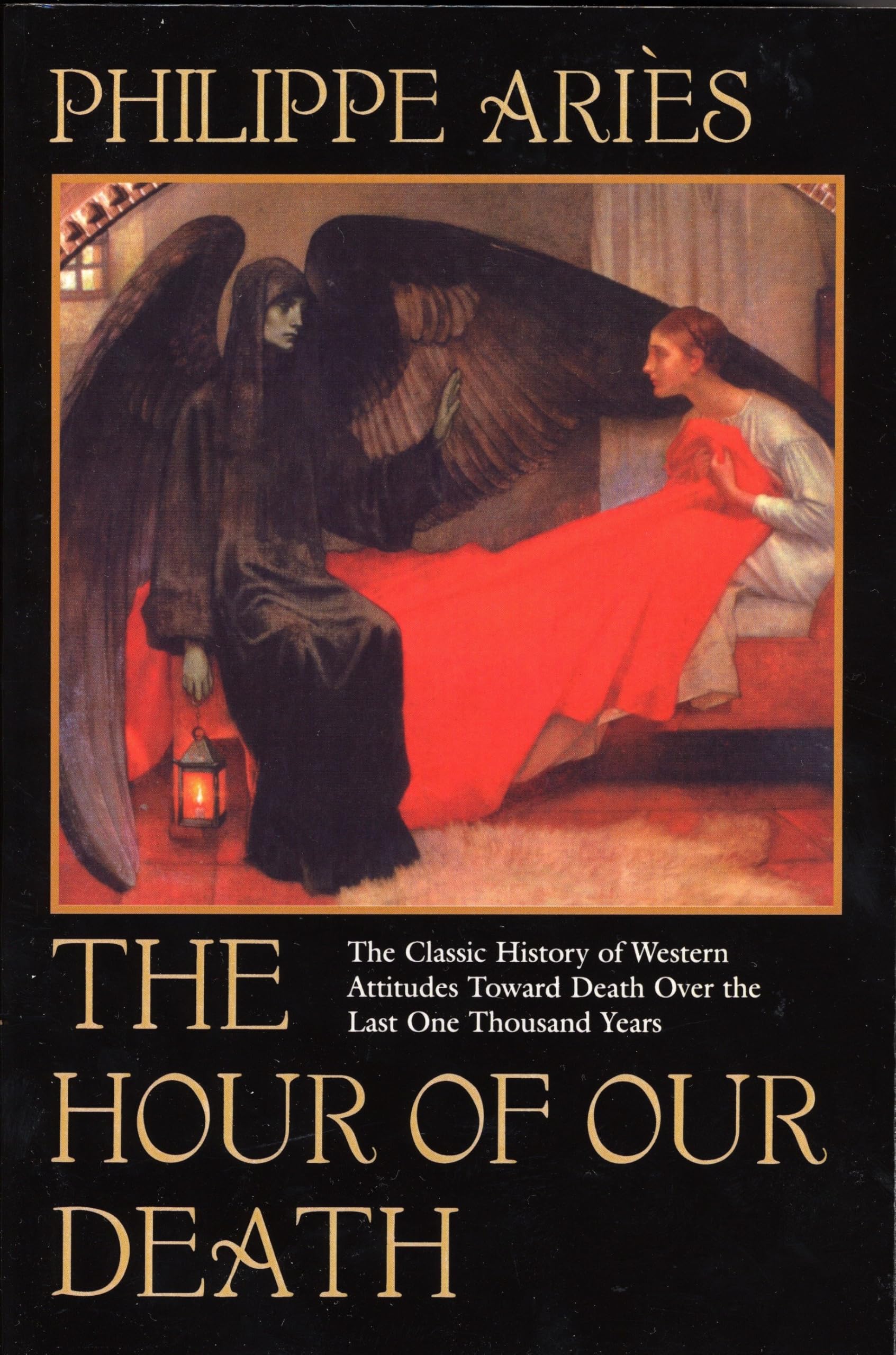
The Hour of Our Death
View on Amazon →

The History of Death
View on Amazon →
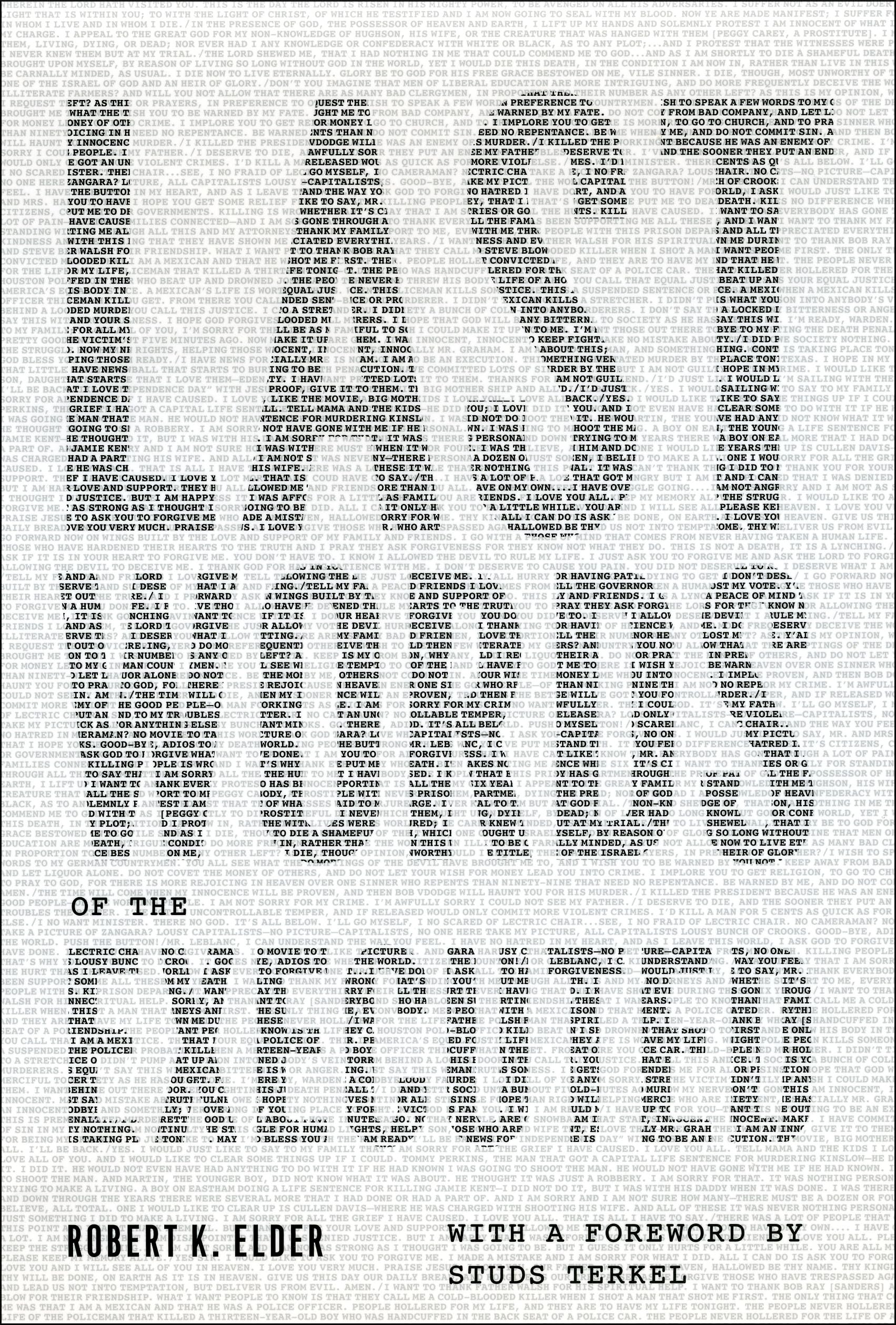
Last Words of the Executed
View on Amazon →
As an Amazon Associate I earn from qualifying purchases.