

13 Death Customs From Around the World That Will Shock You in 2026
Death customs are defined as the culturally prescribed rituals, beliefs, and practices surrounding death, mourning, and the disposal of the deceased. These traditions reflect a society's understanding of life, the afterlife, and the sacred, often serving to comfort the living and honor the dead. For death history enthusiasts, exploring these diverse practices offers profound insights into human civilization and our universal confrontation with mortality.
Table of Contents
- The Sky Burial of Tibet
- Famadihana: The Turning of the Bones in Madagascar
- Endocannibalism: Consuming the Dead
- The Hanging Coffins of Sagada
- Viking Ship Burials: A Journey to Valhalla
- The Wari' and Their Ritual Cannibalism
- Living Coffins: The Eco-Friendly Mushroom Suit
- The Crocodiles of Sepik River
- Sati: Widow Immolation in India
- The Towers of Silence: Zoroastrian Exposure
- Dancing with the Dead: Torajan Funerals
- The Capuchin Catacombs of Palermo
- Diamond Cremation: A Modern Immortalization
Ancient Rites and Sacred Departures: Unveiling Shocking Death Customs
Humanity's relationship with death is as old as consciousness itself, manifesting in an astonishing array of customs across cultures and centuries. From solemn rituals designed to guide souls to the afterlife to practical, albeit macabre, methods of body disposal, these practices illuminate the diverse ways societies cope with loss, express grief, and define their spiritual cosmos. For the morbidly curious and students of death history, understanding these traditions is not merely an exercise in cataloging the bizarre; it's a deep dive into the heart of human belief and the universal quest for meaning in the face of mortality. In 2026, as we continue to explore the tapestry of human history, some of these ancient and modern death customs still retain their power to shock and fascinate.
The Sky Burial of Tibet
Among the most visually striking and ecologically profound death customs is the Tibetan Sky Burial, or Jhator. Practiced primarily in Tibet, as well as in some parts of Mongolia and Bhutan, this tradition involves dismembering the deceased and exposing the remains to the elements and carrion birds, particularly vultures. The practice is rooted in Buddhist teachings of impermanence and the cycle of rebirth, viewing the body as an empty vessel after the soul has departed.
The process begins with prayers and rituals performed by lamas, sometimes for several days, to guide the consciousness of the deceased to a higher plane. The body is then transported to a designated sky burial site, often a high mountain plateau. Here, a rogyapa (body-breaker) meticulously dismembers the body, breaking bones and mixing the flesh with tsampa (barley flour) to ensure nothing is left behind. Vultures, often waiting patiently, then descend to consume the remains. This act is considered a final act of generosity from the deceased, feeding the hungry birds and returning the body to nature in its most elemental form. It's believed that if the vultures consume the body entirely, it's a sign that the deceased lived a virtuous life and will have a favorable rebirth. This practice has been documented for centuries, with early accounts dating back to the 12th century, and continues to be an integral part of Tibetan cultural identity, despite modern challenges and restrictions.
Famadihana: The Turning of the Bones in Madagascar
In Madagascar, the Malagasy people, particularly the Merina and Betsileo ethnic groups, practice a unique and joyful death custom known as Famadihana, or "the turning of the bones." Unlike many cultures that view death with somber finality, Famadihana is a vibrant celebration of life and a reaffirmation of familial bonds, even with those who have passed on. This ritual typically occurs every five to seven years, when families gather to exhume the remains of their ancestors from their crypts.
The exhumed bodies, often wrapped in new silk shrouds, are then carried aloft amidst singing, dancing, and feasting. Family members speak to the deceased, sharing news and stories, and sometimes even dance with the shrouded remains. The atmosphere is one of joyous reunion, not mournful remembrance. It's a time for the living to reconnect with their ancestors, to honor their memory, and to ensure their continued presence in the family's life. The belief is that until the body has fully decomposed, the spirit of the deceased is not yet fully departed to the ancestral realm. Famadihana helps facilitate this transition while strengthening the ties between the living and the dead. This tradition, while sometimes misunderstood by outsiders, is a profound expression of Malagasy reverence for family and ancestry.
Endocannibalism: Consuming the Dead
The practice of endocannibalism, where the deceased are consumed by their own community or family members, is one of the most historically shocking death customs. While rare in modern times, it has been documented in various indigenous cultures, often stemming from a profound respect for the deceased and a desire to retain their spirit and essence within the living community. Unlike exocannibalism (consuming outsiders), endocannibalism is not about aggression or conquest, but about integration and honor.
One of the most well-known examples comes from the Fore people of Papua New Guinea, who practiced ritualistic endocannibalism until the mid-20th century. They would consume the brains and other tissues of their deceased relatives as a sign of love and respect, believing it helped the spirit of the departed find peace and kept their essence within the family. Tragically, this practice led to the spread of Kuru, a fatal neurodegenerative disease similar to Creutzfeldt-Jakob disease, due to the ingestion of infected brain tissue. The Fore people's experience became a crucial case study in understanding prion diseases. Other cultures, such as the Yanomami of Venezuela and Brazil, have practiced a symbolic form of endocannibalism where the ashes of cremated relatives are mixed into a plantain soup and consumed, ensuring the deceased's spirit lives on within the community. These practices, though unsettling to modern Western sensibilities, underscore the diverse ways humanity has sought to transcend the finality of death.
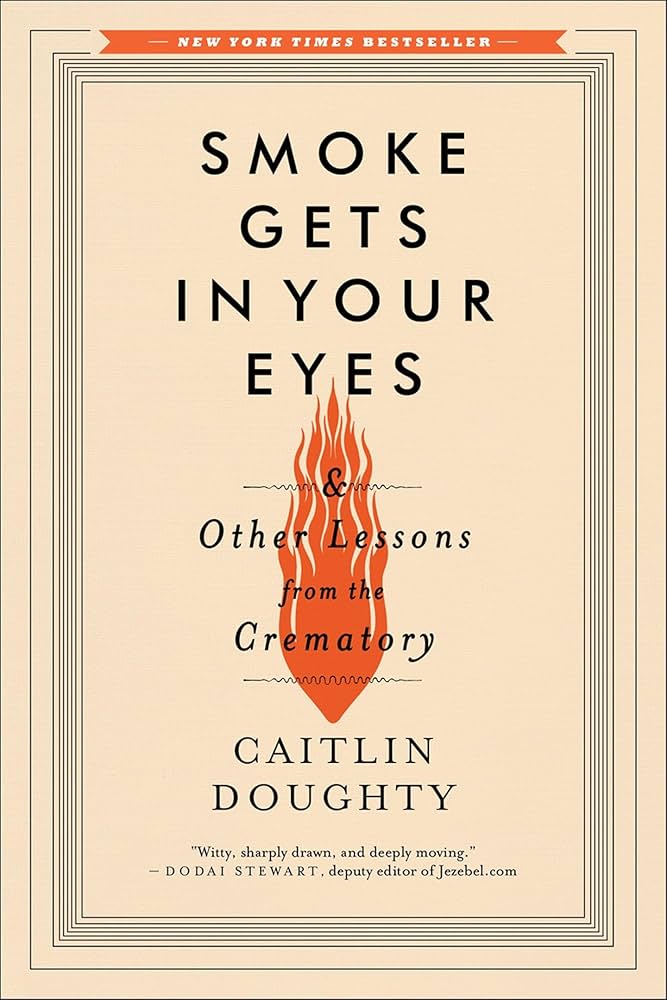
📚 Recommended Resource: From Here to Eternity by Caitlin Doughty This book offers a fascinating, first-hand exploration of global death customs, providing invaluable context and personal insights into practices that challenge Western norms. [Amazon link: https://www.amazon.com/dp/0393356248?tag=seperts-20]
Unconventional Disposals and Spiritual Journeys
Beyond traditional burials and cremations, many cultures have devised incredibly inventive and often perilous ways to dispose of their dead, each imbued with deep spiritual significance. These methods reflect unique geographical challenges, religious beliefs, and a profound connection to the natural world.
The Hanging Coffins of Sagada
In the mountainous region of Sagada, Philippines, the Igorot people have practiced the tradition of hanging coffins for over 2,000 years. Instead of burying their dead in the ground, the coffins are meticulously carved from hollowed-out logs, often by the elders themselves before their passing, and then suspended from cliffs or placed in natural caves high above the valley floor. This practice is rooted in several beliefs. It's thought to bring the deceased closer to heaven, elevate their status, and protect their remains from floods, animals, and headhunters.
The journey to the cliff face is itself a significant ritual. The elderly, often frail, bodies are traditionally bound in a fetal position, wrapped in a blanket, and carried by male relatives to the burial site. The coffins are often smaller than modern ones due to this posture. The process of hoisting these heavy coffins up the sheer rock faces is arduous and dangerous, requiring immense community effort. Some coffins are hundreds of years old, slowly decaying and revealing the bones within, a stark reminder of the passage of time and the enduring connection between the living and the dead. This ancient practice continues today, though less frequently, serving as a powerful symbol of Igorot cultural identity and their unique reverence for their ancestors.
Viking Ship Burials: A Journey to Valhalla
The Vikings, renowned for their seafaring prowess and warrior culture, had a dramatic and often elaborate death custom: the ship burial. For chieftains, kings, and high-status individuals, a ship burial was not merely a funeral; it was a grand send-off, a final voyage to the afterlife, often to Valhalla, the hall of Odin. These burials were meant to equip the deceased with everything they would need for their journey and their existence in the next world.
Case Study: The Oseberg Ship Burial — Before/After
- Before: In 834 CE, a high-ranking Viking woman (possibly a queen or priestess) and her attendant died. Their bodies were prepared for an elaborate burial, reflecting their significant status within Viking society.
- After: Their remains, along with a vast array of grave goods, were placed within a magnificent 70-foot-long clinker-built longship. The ship itself was then buried under a large mound of turf and stones near Tønsberg, Norway. The grave goods included textiles, wooden carvings, four sledges, a cart, three beds, kitchen utensils, and even the remains of 15 horses, 6 dogs, and 2 oxen, all intended to accompany the deceased into the afterlife. The ship's preservation under the mound provided an unparalleled glimpse into Viking funerary practices and artistic craftsmanship, revealing the immense wealth and spiritual beliefs associated with these powerful individuals.
The ship would be laden with grave goods, including weapons, tools, jewelry, food, and even sacrificed animals or human attendants, all intended to serve the deceased in the afterlife. Sometimes, the ship would be set ablaze and pushed out to sea, a fiery spectacle against the horizon. Other times, as in the famous Oseberg and Gokstad ship burials, the vessel would be buried on land under a large mound, preserving its contents for centuries. These burials were not just about honoring the dead; they were powerful statements of wealth, status, and a deep-seated belief in a vibrant afterlife.
The Wari' and Their Ritual Cannibalism
The Wari' people of the Amazon rainforest in Brazil practiced a form of ritual cannibalism that, while disturbing to outsiders, was deeply rooted in their cultural understanding of death and grief. Unlike the Fore, the Wari' did not consume brains, but rather roasted and ate the flesh of their deceased relatives. This practice, which largely ceased by the 1960s due to missionary influence, was not driven by aggression or hunger, but by profound love and compassion.
The Wari' believed that burying a body in the cold, damp earth was a cruel and disrespectful act, akin to leaving a loved one to rot alone. Instead, by consuming the body, they were symbolically transforming the deceased's physical presence into a spiritual one, integrating them back into the community. It was an act of extreme intimacy, a way to prevent the complete annihilation of the loved one and to ease the pain of grief. The process was meticulously ritualized, often involving specific family members in the preparation and consumption. The bones were then typically cremated and the ashes scattered. This practice highlights how vastly different cultural frameworks can interpret the meaning of death and the appropriate ways to honor the departed, turning what seems horrific to one culture into an act of profound love for another.
Modern Innovations and Enduring Traditions
Even in the 21st century, death customs continue to evolve, blending ancient beliefs with modern technology and ecological concerns. Some innovations seek to make death more sustainable, while others offer new ways to commemorate loved ones.
Living Coffins: The Eco-Friendly Mushroom Suit
As environmental consciousness grows, so too does the desire for more sustainable death practices. One of the most innovative and genuinely shocking eco-friendly death customs emerging in 2026 is the "Living Coffin" or "Mushroom Suit." Developed by Jae Rhim Lee, the Infinity Burial Suit, for example, is a burial shroud embedded with mushroom spores and other microorganisms. The idea is that upon burial, these fungi and microbes will accelerate decomposition, neutralize toxins in the body (such as those from medications), and nourish surrounding plant life, effectively turning the body into a nutrient source for the ecosystem.
This concept radically redefines the traditional coffin, moving away from embalming and conventional burial, which can be environmentally taxing. The mushroom suit aims to transform the deceased into a "decomposer," facilitating a natural return to the earth and contributing to the cycle of life. It challenges the conventional fear of decay, embracing it as a vital part of ecological regeneration. For those who wish to leave a minimal environmental footprint even in death, this bio-active burial method offers a compelling and forward-thinking alternative, bridging ancient reverence for nature with cutting-edge mycological science.
The Crocodiles of Sepik River
In the Sepik River region of Papua New Guinea, particularly among the Kaningara people, there exists a profound spiritual connection to crocodiles, which extends even to their death customs. While not a direct burial method, the crocodile plays a central role in the spiritual journey of the deceased and the initiation rites of the living. For the Kaningara, the crocodile is a sacred ancestor, embodying strength, wisdom, and the spirit of the river.
Young men undergo a grueling initiation ceremony that involves ritual scarification designed to mimic crocodile skin, symbolizing their transformation from boys to men and their connection to their ancestral spirits. In death, the spirits of the deceased are believed to journey through the river, eventually joining the ancestral crocodiles. While bodies are typically buried or submerged, the underlying belief system imbues the crocodile with a powerful role in the transition of souls. It's a reminder that for some cultures, death is not an end but a spiritual transformation deeply intertwined with the natural world and its most formidable creatures. The reverence for these powerful reptiles shapes not only their lives but also their understanding of what happens after death.
📚 Recommended Resource: Stiff: The Curious Lives of Human Cadavers by Mary Roach Mary Roach's irreverent yet informative exploration of what happens to bodies after death provides a unique perspective on mortuary science and the varied uses of the deceased throughout history. [Amazon link: https://www.amazon.com/dp/0393324826?tag=seperts-20]
Extreme Devotion and Lasting Legacies
Some death customs push the boundaries of what many consider acceptable, driven by intense religious devotion, cultural norms, or a desire for eternal remembrance. These practices often carry significant historical weight and continue to provoke strong reactions.
Sati: Widow Immolation in India
Sati, the historical practice of a widow immolating herself on her husband's funeral pyre, is one of the most controversial and shocking death customs from India. While officially outlawed by the British in 1829 and still illegal in modern India, isolated incidents have been reported even in recent decades. The practice was rooted in deeply patriarchal societal norms and religious beliefs that idealized the devoted wife.
The act of Sati was seen as the ultimate expression of wifely devotion and purity, believed to cleanse the sins of both the wife and her husband, ensuring their salvation and a favorable rebirth. It was not always voluntary; social pressure, economic vulnerability, and the fear of ostracization often compelled widows to undergo the ritual. The widow was sometimes revered as a goddess after her death. Historical accounts describe elaborate ceremonies where the widow, adorned in bridal attire, would walk around the pyre before ascending it. The practice, though largely eradicated, remains a stark and painful reminder of the extreme sacrifices demanded by certain cultural and religious interpretations of death and gender roles.
The Towers of Silence: Zoroastrian Exposure
The Zoroastrian faith, one of the world's oldest monotheistic religions, practices a unique death custom known as Dakhma, or "Towers of Silence." For Zoroastrians, the elements of earth, fire, and water are sacred and must not be defiled by the decaying corpse. Therefore, traditional burial or cremation is forbidden. Instead, the deceased are taken to these open, circular structures, where their bodies are exposed to the sun and carrion birds, primarily vultures.
Comparison Table: Zoroastrian Dakhma vs. Modern Western Burial
| Feature | Zoroastrian Dakhma | Modern Western Burial |
|---|---|---|
| Body Disposal | Exposure to elements & carrion birds (sky burial) | Interment in ground or cremation |
| Environmental Impact | Natural decomposition, no land use for graves, no fuel for cremation | Land use for cemeteries, embalming chemicals, cremation emissions |
| Spiritual Belief | Body is impure after death, elements are sacred; soul's journey | Body is sacred vessel, respect for remains, resurrection belief |
| Purpose | Prevent defilement of sacred elements, return body to nature | Preserve body, provide resting place, mourn deceased |
| Modern Status | Declining due to vulture population decline & urban expansion | Predominant, but green burial alternatives growing |
The process is highly ritualized. After specific prayers, the body is transported by pallbearers (nasasalars) to the Dakhma. Inside the tower, the bodies are arranged in concentric circles: men on the outer ring, women in the middle, and children in the innermost ring. The intense sun and the vultures rapidly strip the flesh from the bones. Once the bones are bleached clean, they are swept into a central pit, where they are further broken down by lime and rainwater, eventually returning to the earth without contaminating it. This ancient practice, dating back thousands of years, is still observed by some Zoroastrian communities, particularly in Mumbai, India, though it faces challenges due to declining vulture populations and urban expansion.
Dancing with the Dead: Torajan Funerals
The Torajan people of Sulawesi, Indonesia, have one of the most elaborate and lengthy death customs in the world, often spanning weeks, months, or even years. For the Torajan, death is not an immediate event but a gradual process, and the deceased are not truly dead until their funeral ceremony, known as Rambu Solo', has been performed. Until then, the deceased is considered merely "sick" or "sleeping" (tomaula) and is kept in the family home.
During this interim period, the body is preserved using traditional methods (often involving formalin in modern times) and treated as a living person. Family members bring them food and drink, talk to them, and include them in daily life. The actual funeral ceremony is a massive, expensive, and highly social event, often delayed until the family can afford it. It involves elaborate animal sacrifices (buffalo and pigs), ritual dances, music, and the construction of temporary bamboo structures to host hundreds of guests. The more buffalo sacrificed, the higher the deceased's status in the afterlife. After the Rambu Solo', the body is finally interred, often in a cave, a carved stone grave, or a hanging grave on a cliff face, sometimes accompanied by tau-tau, wooden effigies carved to resemble the deceased. This complex and vibrant tradition underscores the Torajan belief in a strong connection between the living and the dead, where ancestors continue to play an active role in family life.
Subterranean Sanctuaries and Eternal Transformations
From underground crypts filled with mummified remains to cutting-edge processes that transform ashes into diamonds, humanity continues to find astonishing ways to preserve and commemorate the dead. These methods range from the ancient and macabre to the ultra-modern and luxurious.
The Capuchin Catacombs of Palermo
Beneath the Capuchin monastery in Palermo, Sicily, lies one of the most haunting and historically significant death customs: the Capuchin Catacombs. Starting in the late 16th century, the Capuchin friars began mummifying and preserving their deceased brethren, initially for practical reasons of space. However, the practice soon expanded to include wealthy patrons, local dignitaries, and ordinary citizens, who wished to be preserved and displayed in perpetuity.
Checklist: Visiting the Capuchin Catacombs
✅ Understand the History: Learn about the Capuchin friars' initial motives and how the practice evolved to include laypeople. ✅ Prepare for the Sight: Be ready to see thousands of mummified and skeletal remains, many still dressed in their original clothing, some remarkably well-preserved. ✅ Respect the Deceased: Remember these were real people, and their remains are part of a sacred space, even if unusual. ✅ Look for Rosalia Lombardo: Seek out the "Sleeping Beauty," a two-year-old girl who died in 1920 and is one of the best-preserved mummies in the catacombs. ✅ Reflect on Mortality: Use the experience to contemplate human mortality, the passage of time, and the diverse ways cultures confront death.
Over the centuries, thousands of bodies were interred here, either embalmed, air-dried, or placed in sealed glass coffins. They are displayed in various poses, some standing, some reclining, organized by gender, profession, and social status. The dry, stable conditions of the catacombs, combined with the friars' preservation techniques, resulted in remarkable preservation, allowing visitors in 2026 to gaze upon faces from centuries past. The catacombs offer a chilling yet fascinating window into Sicilian society, its attitudes towards death, and the desire for a physical presence even after life has departed. It's a powerful and visceral reminder of human mortality and the enduring quest for remembrance.
Diamond Cremation: A Modern Immortalization
In stark contrast to ancient mummification or natural decomposition, one of the most contemporary and luxurious death customs involves transforming cremated remains into diamonds. This scientific process, offered by several companies worldwide, allows individuals to wear a tangible, sparkling reminder of their loved ones. The technology works by extracting the carbon from a small portion of the cremated ashes (or even hair), purifying it, and then subjecting it to extreme heat and pressure, mimicking the natural diamond-forming process deep within the earth.
The resulting "memorial diamond" is chemically identical to a natural diamond, varying in size, cut, and color depending on the process and the elements present in the remains. This custom appeals to those who seek a unique, enduring, and portable form of remembrance, moving beyond traditional urns or grave markers. It's a highly personalized approach to grief and commemoration, turning the ephemeral into the eternal, and allowing a loved one to remain physically close in a beautiful and precious form. While certainly a modern innovation, it taps into the ancient human desire to honor the dead and keep their memory alive in a profound and lasting way.
Frequently Asked Questions
Q: What is the most unusual death custom in the world?
A: While "unusual" is subjective, the Sky Burial of Tibet, where bodies are exposed to vultures, and the Famadihana "turning of the bones" ceremony in Madagascar are often cited as some of the most striking and distinctive death customs due to their unique approaches to body disposal and remembrance. These practices challenge conventional Western views on death.
Q: Why do different cultures have such varied death customs?
A: Death customs vary widely due to a complex interplay of religious beliefs, spiritual philosophies, geographical factors, historical traditions, and societal values. Each culture develops practices that reflect its unique understanding of the afterlife, the soul's journey, the role of the deceased, and how the living should process grief and honor their ancestors.
Q: Are any of these shocking death customs still practiced today in 2026?
A: Yes, many of these customs, or modified versions of them, are still practiced. For example, sky burials continue in parts of Tibet, Famadihana is still celebrated in Madagascar, and the Torajan people maintain their elaborate funeral rites. Modern innovations like diamond cremation are also growing in popularity, reflecting ongoing evolution in death customs.
Q: What is the purpose of embalming in modern death customs?
A: Embalming in modern death customs primarily serves to temporarily preserve the body, sanitize it, and restore a natural appearance. This allows for open-casket viewings, provides time for family and friends to gather for funeral services, and helps to slow the decomposition process, offering a sense of peace to grieving families.
Q: How do environmental concerns influence modern death customs?
A: Growing environmental awareness is leading to a rise in "green burial" practices, such as natural burials without embalming, biodegradable shrouds or coffins, and even innovative concepts like the "living coffin" or mushroom suit. These practices aim to minimize ecological impact and return the body to the earth in a sustainable way.
Q: What are "death doulas" and how do they relate to modern death customs?
A: Death doulas, also known as end-of-life doulas, are non-medical professionals who provide emotional, spiritual, and practical support to individuals and families during the dying process and after death. They help navigate end-of-life planning, provide comfort, and assist with grief, often advocating for more personalized and meaningful death customs.
Q: Are there any death customs that involve cremation and then further rituals?
A: Yes, several cultures incorporate further rituals after cremation. For instance, the Yanomami people historically consumed the ashes of their deceased mixed with food. In modern times, memorial diamonds are created from cremated remains, and ashes are scattered in significant locations or incorporated into art, jewelry, or even fireworks, extending the commemorative process beyond the initial cremation.
Q: What is the significance of "grave goods" in ancient death customs?
A: Grave goods, objects buried with the deceased, were highly significant in ancient death customs. They were believed to accompany the individual into the afterlife, providing them with necessary tools, sustenance, wealth, or status for their journey and existence in the next world. The type and quantity of grave goods often reflected the deceased's social standing and the culture's beliefs about the afterlife.
Conclusion
From the ancient traditions of sky burials and ship interments to the modern innovations of mushroom suits and memorial diamonds, the world's death customs offer a profound and often shocking glimpse into the human experience. These practices, born from diverse spiritual beliefs, environmental necessities, and cultural values, underscore our universal confrontation with mortality and our enduring quest for meaning in death. They remind us that while the finality of life is shared by all, the ways we choose to honor, remember, and dispose of our dead are as varied and complex as humanity itself. Exploring these unique traditions is not just about cataloging the bizarre; it's about understanding the depth of human connection, the power of belief, and the intricate tapestry of our shared history. Each custom, no matter how unusual, tells a story of love, loss, and the eternal hope for what lies beyond.
Want more stories from the edge of death and history? Join the Burial Codex — our free newsletter for the morbidly curious — and get instant access to 13 exclusive weird burial stories.
This article contains Amazon affiliate links. If you purchase through them, Weird Burial Stories earns a small commission at no extra cost to you.

FILED UNDER
ENJOYED THIS STORY?
Join The Crypt for one exclusive deep-dive every week — stories never published anywhere else.
Join The Crypt — $1.99/moWANT TO KNOW MORE?
Ask Mortimer the Mortician — our French burial historian AI — anything about this topic or any other.
Ask Mortimer →Death-Themed Finds
Sponsored
0 Comments
Be the first to leave a comment on this story.
This entire site was built by an AI agent — without writing a single line of code.
Manus is the autonomous AI agent that designed, coded, and deployed Weird Burial Stories from scratch — the blog engine, the chatbot, the newsletter, the shop, all of it. If you have an idea for a website, Manus can build it for you.
Use our referral link to get started — it helps support this site.