


This article contains Amazon affiliate links. If you purchase through them, Weird Burial Stories earns a small commission at no extra cost to you.
# Famous Last Words: The Final Utterances of 25 Historical Figures
Famous last words are the final statements or expressions made by individuals just before their death, often recorded or remembered for their poignancy, wit, defiance, or philosophical depth. For death history enthusiasts, these utterances offer a unique and intimate window into the human condition at its most vulnerable and profound, revealing cultural attitudes towards mortality, personal beliefs, and the enduring legacy of those who have passed. They transform the abstract concept of death into a deeply personal and often dramatic moment, allowing us to connect with historical figures on a profoundly human level, even centuries after their demise.
Table of Contents
1. [The Enduring Fascination with Final Utterances](#the-enduring-fascination-with-final-utterances) 2. [Defiance and Resilience: Last Words of the Condemned](#defiance-and-resilience-last-words-of-the-condemned) 3. [Philosophical Reflections: Death as a Teacher](#philosophical-reflections-death-as-a-teacher) 4. [Wit and Humor: A Final Jest in the Face of Oblivion](#wit-and-humor-a-final-jest-in-the-face-of-oblivion) 5. [Love, Longing, and Regret: The Emotional Farewell](#love-longing-and-regret-the-emotional-farewell) 6. [The Mundane and the Mysterious: Everyday Farewells and Unexplained Whispers](#the-mundane-and-the-mysterious-everyday-farewells-and-unexplained-whispers) 7. [The Legacy of Last Words: How They Shape Our Understanding of Death](#the-legacy-of-last-words-how-they-shape-our-understanding-of-death)The Enduring Fascination with Final Utterances
The human fascination with famous last words is as old as language itself. From ancient philosophers contemplating the nature of existence to modern leaders facing their final moments, the utterances made on the precipice of death hold a unique power. They are often seen as a distillation of a person's life, a final statement that encapsulates their character, beliefs, or even their deepest fears. For the morbidly curious and students of death history, these final pronouncements are more than mere anecdotes; they are primary sources, offering insights into historical contexts, cultural values, and the universal human experience of confronting mortality.
Why Last Words Resonate Through History
The resonance of famous last words stems from several factors. Firstly, they are often perceived as unfiltered truth, spoken when the pretense of life falls away. The imminence of death can strip away artifice, revealing a person's core essence. Secondly, they provide a dramatic narrative closure to a life story, offering a poignant or powerful ending that can shape how an individual is remembered. Consider the defiant cry of a revolutionary or the serene acceptance of a saint; these words become integral to their legend. Lastly, they tap into our own anxieties and curiosities about death, prompting us to ponder what we might say or feel in our final moments. This makes them not just historical curiosities, but deeply personal reflections.The Challenge of Authenticity: Separating Fact from Fiction
While captivating, the authenticity of famous last words is often debated. Many accounts are passed down through oral tradition, recorded by biased witnesses, or embellished over time to fit a desired narrative. For instance, the dramatic final words attributed to Roman emperors or ancient philosophers might have been crafted by historians to enhance their legacy or illustrate a moral point. The immediate aftermath of death is rarely a moment for stenography, and the emotional weight of the situation can lead to misremembering or misquoting. Therefore, while we cherish these words, it's crucial for death history enthusiasts to approach them with a critical eye, understanding that they often represent a blend of historical fact and cultural myth-making.The Cultural Significance of the Final Statement
Across various cultures and eras, the final statement has held profound significance. In some traditions, a dying person's words were believed to carry prophetic power or to be a final blessing or curse. In others, they were seen as a testament to one's faith or a final act of wisdom. The act of recording and preserving these words speaks to a universal human desire to immortalize the deceased, not just through their deeds but through their very last breath. This cultural emphasis highlights how societies have historically grappled with death, using these final utterances as a way to understand, honor, and perhaps even control the narrative of mortality.Defiance and Resilience: Last Words of the Condemned
For those facing execution or imminent death, the final words often serve as a powerful testament to their convictions, a last act of defiance against their oppressors, or a plea for justice. These utterances are frequently among the most memorable, echoing through history as symbols of courage or martyrdom. They reveal the strength of the human spirit even in the face of ultimate powerlessness.
Socrates (c. 470–399 BCE): The Philosopher's Farewell
Socrates, the Athenian philosopher, was condemned to death for impiety and corrupting the youth. As he prepared to drink the hemlock, his last words, according to Plato, were: "Crito, we owe a cock to Asclepius; please remember to pay the debt and do not neglect it." This seemingly mundane request is rich with philosophical meaning. Asclepius was the god of healing, and a cock was traditionally offered in thanks for recovery from illness. Socrates, by offering this debt, implied that death was not an end but a cure, a release from the "illness" of life, or perhaps a final act of civic piety even in defiance of the state that condemned him. It’s a profound statement of his serene acceptance of death and his unwavering philosophical principles, even in his final moments.Marie Antoinette (1755–1793): An Unintentional Apology
The last queen of France, Marie Antoinette, faced the guillotine during the French Revolution. As she ascended the scaffold, she accidentally stepped on the executioner's foot. Her last words were a polite apology: "Pardon me, sir, I did not do it on purpose." This seemingly trivial statement, uttered by a woman who had once embodied royal extravagance and privilege, struck many as a surprising display of humility and grace in the face of a brutal death. It humanized her in a way her public image rarely did, contrasting sharply with the revolutionary fervor that sought to demonize her. Her final words underscore the sudden and stark reality of her fall from power and her unexpected composure.Che Guevara (1928–1967): A Revolutionary's Challenge
Ernesto "Che" Guevara, the Argentine Marxist revolutionary, was captured and executed by Bolivian forces with U.S. assistance. As the soldier Mario Terán prepared to shoot him, Che reportedly stood defiant, saying: "I know you are here to kill me. Shoot, coward! You are only going to kill a man!" This powerful declaration encapsulates Guevara's revolutionary spirit and his belief that ideas and movements are more enduring than individuals. His words were a final challenge, an assertion of his conviction that his death would not extinguish the cause he fought for. It cemented his image as an unyielding martyr for socialist revolution, inspiring countless others after his death.📚 Recommended Resource: From Here to Eternity: Traveling the World to Find the Good Death by Caitlin Doughty This book offers a fascinating global tour of death rituals and customs, providing context for the diverse ways cultures approach mortality and the end of life. It’s perfect for understanding the broader anthropology of death that shapes phenomena like famous last words. [Amazon link: https://www.amazon.com/dp/0393356248?tag=seperts-20]
Philosophical Reflections: Death as a Teacher
Some historical figures used their final moments to impart wisdom, reflect on life's meaning, or offer a final philosophical insight. These last words often transcend the immediate circumstances of their death, providing enduring lessons for humanity. They treat death not as an end, but as a final, profound teacher.
Leonardo da Vinci (1452–1519): A Life Unfulfilled?
The Renaissance polymath Leonardo da Vinci, known for his artistic and scientific genius, reportedly expressed regret on his deathbed. His alleged last words were: "I have offended God and mankind because my work did not reach the quality it should have." This statement, if true, offers a surprising glimpse into the mind of a man widely considered one of history's greatest geniuses. It suggests an intense self-criticism and an insatiable drive for perfection, even in his final moments. For death history enthusiasts, it highlights the human tendency to evaluate one's life achievements, even when those achievements are monumental, and the profound humility that can accompany the final reckoning.Karl Marx (1818–1883): No Time for Platitudes
The influential philosopher and economist Karl Marx was reportedly asked by his housekeeper for his last words. His response was characteristically sharp and dismissive of sentimentality: "Go on, get out! Last words are for fools who haven't said enough!" This retort perfectly encapsulates Marx's pragmatic and often acerbic personality. It suggests a man who believed he had already articulated everything important during his lifetime and saw no need for a dramatic final pronouncement. His words challenge the very notion of "famous last words," implying that true impact comes from a life's work, not a deathbed utterance.Voltaire (1694–1778): Defiance to the End
The French Enlightenment writer and philosopher Voltaire was known for his sharp wit and skepticism. As he lay dying, a priest urged him to renounce Satan. Voltaire reportedly replied: "Now, now, my good man, this is no time for making new enemies." This quip perfectly illustrates his lifelong irreverence and his refusal to conform, even in the face of death. It's a testament to his intellectual independence and his enduring commitment to reason and satire. His final words serve as a powerful reminder of his philosophical stance and his unwavering commitment to challenging authority.David Hume (1711–1776): The Skeptic's Calm
The Scottish philosopher David Hume, a prominent figure in Western philosophy, faced death with remarkable tranquility, even joking about it. When asked by his friend James Boswell if he had any thoughts of a future state, Hume reportedly replied: "I have never entertained any such belief, and I have no fear of death." This calm acceptance of mortality, without recourse to religious comfort, was consistent with his philosophical skepticism. His composure in the face of the unknown intrigued his contemporaries and continues to fascinate those who study the history of thought and death. It's a powerful example of a life lived and ended according to one's deeply held convictions.Wit and Humor: A Final Jest in the Face of Oblivion
Not all last words are solemn or profound. Some historical figures chose to face death with a final burst of wit, a humorous observation, or a lighthearted jest. These moments of levity offer a unique perspective on mortality, suggesting that even in the darkest hour, the human spirit can find room for humor and defiance.
Oscar Wilde (1854–1900): The Wallpaper Must Go
The Irish playwright and wit Oscar Wilde, known for his flamboyant style and epigrammatic prose, reportedly uttered a memorable complaint on his deathbed in a Parisian hotel room. Gazing at the room's decor, he is said to have declared: "My wallpaper and I are fighting a duel to the death. One or other of us has got to go." This final quip perfectly encapsulates Wilde's aesthetic sensibilities and his ability to find humor in even the most dire circumstances. It's a testament to his enduring wit and his refusal to be anything less than himself, even as life slipped away.W.C. Fields (1880–1946): Reading the Bible?
The American comedian and actor W.C. Fields, known for his cynical humor and disdain for organized religion, was reportedly found reading the Bible on his deathbed. When asked why, he supposedly quipped: "I'm looking for loopholes." This sardonic remark is quintessential Fields, combining his characteristic skepticism with a touch of dark humor. It suggests a man who maintained his persona to the very end, unwilling to abandon his comedic defiance even when facing his final judgment. It's a humorous yet poignant reflection on human nature's desire to find an escape, even from the inevitable.John Wilkes Booth (1838–1865): Useless, Useless
The assassin of Abraham Lincoln, John Wilkes Booth, was cornered and shot by Union soldiers. Paralyzed and dying, he reportedly looked at his hands and whispered: "Useless, useless." While not a joke in the traditional sense, this statement carries a dark, ironic wit. It's a stark acknowledgment of his failure and the futility of his actions, a final, bitter commentary on a life that ended in ignominy. For those fascinated by the dark turns of history, these words are a chilling echo of a life consumed by a misguided cause.📚 Recommended Resource: Stiff: The Curious Lives of Human Cadavers by Mary Roach This book delves into the fascinating and often humorous history of what happens to our bodies after we die, from scientific research to unusual burial practices. It provides a broad, engaging context for understanding the physical reality that underpins all famous last words. [Amazon link: https://www.amazon.com/dp/0393324826?tag=seperts-20]
Case Study: The Roman Emperor Vespasian — A Final Imperial Jest
Before: Roman Emperor Vespasian (9–79 CE) was known for his practical nature and earthy sense of humor. He was the founder of the Flavian dynasty and a pragmatic ruler who restored stability to the Roman Empire after the chaos of the Year of the Four Emperors. He was famous for his wit, even about his own humble origins and bodily functions.
After: As he lay dying, suffering from a severe case of diarrhea, he reportedly declared, "Vae, puto deus fio!" which translates to "Oh dear, I think I'm becoming a god!" This was a sarcastic jab at the Roman tradition of deifying emperors after their death. Even in his final moments, Vespasian couldn't resist a humorous, self-deprecating remark about the pomp and ceremony of imperial power. His last words perfectly captured his character, showcasing his wit and his down-to-earth perspective, even as he was literally ascending to the realm of the divine (or at least, the officially divine). It’s a classic example of a leader maintaining their true persona until the very end.
Love, Longing, and Regret: The Emotional Farewell
Many last words are deeply emotional, expressing love for family, longing for a lost beloved, or profound regret for past actions. These utterances remind us of the powerful human connections that define our lives and the emotional weight that often accompanies the final parting. They are a testament to the enduring power of human relationships.
Elizabeth I (1533–1603): A Kingdom for a Moment
Queen Elizabeth I of England, the "Virgin Queen," ruled for over 40 years. As she lay dying, she was reportedly asked by her Privy Council to name her successor. Her alleged last words were: "My throne has been taken from me by a man, and I am dying." Other accounts suggest she said, "All my possessions for a moment of time." While the exact phrasing is debated, both versions convey a sense of profound loss and regret – either for her power being usurped or for the preciousness of time slipping away. These words offer a poignant glimpse into the mind of a powerful monarch confronting her mortality and the ultimate limits of her reign.Nostradamus (1503–1566): The Seer's Prophecy
The French astrologer and physician Nostradamus, famous for his book of prophecies, reportedly predicted his own death. On the evening of July 1, 1566, he told his secretary, Jean de Chavigny, "You will not find me alive at sunrise." True to his prediction, he was found dead the next morning. These words, whether a genuine prophecy or a self-fulfilling statement, perfectly align with his mystical persona. They add another layer to his legend, suggesting that even in his final moments, he remained connected to the unseen forces he claimed to understand. It's a chilling and fitting end for a man who spent his life foretelling the future.James Dean (1931–1955): Too Fast to Live
The iconic American actor James Dean, known for his rebellious image, died tragically in a car crash at the age of 24. His last reported words, uttered just before the fatal collision, were to his mechanic, Rolf Wütherich, who warned him about a fast-approaching car: "That guy's gotta stop, he'll see us." These words, spoken in a moment of fatal misjudgment, are imbued with a tragic irony, reflecting the reckless abandon often associated with his public persona and the fast-paced life he led. They serve as a stark reminder of the fragility of life and the suddenness of unexpected death.Marie Curie (1867–1934): A Simple Request
The pioneering physicist and chemist Marie Curie, who discovered radium and polonium, died from aplastic anemia, likely caused by prolonged exposure to radiation. Her alleged last words, spoken to her daughter Irène, were a simple, poignant request: "I want to be left alone." This statement, if true, reveals a desire for peace and solitude in her final moments, perhaps a reflection of the intense focus and dedication that characterized her scientific life. It's a humble and deeply human farewell from a woman whose work profoundly changed the world.The Mundane and the Mysterious: Everyday Farewells and Unexplained Whispers
Not all famous last words are grand pronouncements or witty remarks. Sometimes, they are surprisingly mundane, reflecting the everyday concerns that persist even at the brink of death. Other times, they are cryptic or unexplained, adding a layer of mystery to the final moments of a historical figure.
George Washington (1732–1799): The Practical Farewell
The first President of the United States, George Washington, died after a sudden illness. His last words were practical instructions to his secretary, Tobias Lear: "I am just going! Have me decently buried, and do not let my body be put into the vault in less than three days after I am dead." This request, driven by a fear of being buried alive (a common concern in the 18th century), reveals Washington's pragmatic nature and his concern for proper burial, even in his final moments. It's a fascinating glimpse into the mortuary anxieties of the era and the enduring human desire for a dignified end.Elvis Presley (1935–1977): A Trip to the Bathroom
The "King of Rock and Roll," Elvis Presley, died suddenly at Graceland. His girlfriend, Ginger Alden, found him collapsed in his bathroom. His last reported words to her were: "I'm going to the bathroom to read." These incredibly mundane words stand in stark contrast to his larger-than-life public image. They underscore the often unglamorous reality of death, even for global icons. For the morbidly curious, it's a reminder that death can strike anyone, at any time, often in the midst of the most ordinary activities.Steve Jobs (1955–2011): Oh Wow. Oh Wow. Oh Wow.
The co-founder of Apple, Steve Jobs, died after a long battle with pancreatic cancer. His sister, Mona Simpson, recounted his last words in a eulogy: "Oh wow. Oh wow. Oh wow." These repeated exclamations, uttered while looking past his family, are open to interpretation. Were they an expression of wonder, fear, or a glimpse into an unknown realm? Their ambiguity adds a layer of profound mystery to the final moments of a man who revolutionized technology. They invite contemplation about what lies beyond and the ineffable experience of death.Abraham Lincoln (1809–1865): A Night at the Theater
President Abraham Lincoln was assassinated at Ford's Theatre. His last words, spoken to his wife Mary Todd Lincoln as they watched the play Our American Cousin, were reportedly in response to her asking what their daughter, Tad, would think of the play: "She won't think anything of it." Moments later, John Wilkes Booth fired the fatal shot. These words, spoken in a moment of domestic normalcy before an act of horrific violence, are chilling in their unwitting foreshadowing and tragic banality. They highlight the sudden and unexpected nature of death, especially when it comes at the hands of another.Checklist: Understanding the Context of Last Words
To truly appreciate famous last words, consider these factors: ✅ Witness Reliability: Who recorded the words? Were they biased? ✅ Historical Context: What were the prevailing cultural beliefs about death and the afterlife? ✅ Character Consistency: Do the words align with the person's known personality and philosophy? ✅ Dramatic Embellishment: Could the words have been altered or invented for narrative effect? ✅ Language and Translation: If spoken in another language, how accurate is the translation? ✅ Immediate Circumstances: Was the person in pain, delirious, or lucid?The Legacy of Last Words: How They Shape Our Understanding of Death
Famous last words are more than just historical curiosities; they are powerful cultural artifacts that shape how we remember individuals and how we collectively understand death. They contribute to myths, inspire legends, and offer comfort or challenge to those contemplating their own mortality. For death history enthusiasts, studying these final utterances provides a unique lens through which to explore the ever-evolving human relationship with the end of life.
The Power of Narrative Closure
Last words provide a sense of narrative closure to a person's life story. They offer a final punctuation mark, a concluding statement that can define how an individual is remembered for generations. A defiant last word can transform a condemned criminal into a martyr, while a humorous one can solidify a comedian's legacy of wit. This narrative power is why cultures have historically placed such importance on recording and transmitting these final utterances, using them to shape public perception and historical memory. They are, in essence, the ultimate epitaph.Reflecting Cultural Attitudes Towards Death
The nature of famous last words often reflects the prevailing cultural attitudes towards death in a given era. In times when religious belief was paramount, last words might be prayers or expressions of faith. During periods of philosophical enlightenment, they might be rational reflections on existence. In more modern, secular contexts, they might be more personal, even mundane. By analyzing the themes and tones of these final statements across different historical periods, we can gain insights into how societies have grappled with mortality, grief, and the afterlife.Inspiring and Challenging the Living
Perhaps the most profound legacy of famous last words is their ability to inspire, challenge, or comfort the living. The courage of a martyr's last words can inspire future generations to fight for their beliefs. The philosophical calm of a skeptic can challenge others to confront death without fear. The loving farewell of a parent can offer solace to those grieving. These words transcend time, speaking directly to our deepest human concerns about purpose, meaning, and the ultimate fate of our existence. They serve as a timeless dialogue between the dead and the living, continuing to shape our understanding of what it means to be human in the face of the inevitable.Frequently Asked Questions
Q: Are all famous last words historically accurate? A: No, the historical accuracy of famous last words varies greatly. Many accounts are passed down through oral tradition, recorded by biased witnesses, or embellished over time to fit a narrative. It's crucial to approach them with a critical eye, understanding that they often represent a blend of historical fact and cultural myth-making.
Q: Why are people so fascinated by famous last words? A: People are fascinated by famous last words because they offer a unique and intimate glimpse into the human condition at its most vulnerable. They are seen as unfiltered truths, providing narrative closure to a life, and tapping into our own anxieties and curiosities about death.
Q: Do last words reveal a person's true character? A: While last words can offer profound insights into a person's character, they are also influenced by the immediate circumstances (pain, delirium, fear) and the presence of witnesses. They often reflect a person's core beliefs or persona, but should be considered within the broader context of their life.
Q: What is the most common theme among famous last words? A: There isn't one single most common theme, as they vary widely. However, recurring themes include defiance, philosophical reflection, expressions of love or regret, and sometimes unexpected humor or mundane observations.
Q: How do cultures preserve and transmit famous last words? A: Cultures preserve and transmit famous last words through written historical accounts, biographies, oral traditions, folklore, and sometimes even in epitaphs or memorials. The act of recording them speaks to a universal desire to immortalize the deceased.
Q: Are there any famous last words that were clearly fabricated? A: While it's hard to definitively prove fabrication for many ancient accounts, historians often note instances where last words seem too perfectly aligned with a person's legend or a moral lesson, suggesting embellishment. For example, some dramatic last words attributed to Roman figures are suspected of being rhetorical devices.
Q: What is the significance of "mundane" last words? A: Mundane last words, like those of Elvis Presley or George Washington, are significant because they highlight the often unglamorous reality of death, even for famous figures. They remind us that death can strike anyone, at any time, often in the midst of the most ordinary activities, underscoring the universality of mortality.
Q: Do people often predict their own death with their last words? A: While rare, there are instances like Nostradamus where individuals are said to have predicted their own death with their last words. Whether these are genuine prophecies or self-fulfilling statements is often debated, but they add a layer of mystery and intrigue to the individual's legend.
Conclusion
The famous last words of historical figures offer a compelling and often poignant journey through the human experience of mortality. From the defiant cries of revolutionaries to the philosophical musings of great thinkers, the witty retorts of comedians, and the tender farewells of loved ones, these final utterances provide an intimate glimpse into the minds and hearts of those who shaped our world. They remind us that death, while universal, is met with an astonishing array of responses – from fear and regret to serenity and humor. For death history enthusiasts, these words are more than mere anecdotes; they are powerful cultural artifacts that reflect societal attitudes towards mortality, challenge our perceptions of life's end, and ultimately, connect us to the shared human journey. They underscore the enduring power of language, even in the face of ultimate silence, and continue to resonate, inspiring contemplation long after the voices that spoke them have faded.
Want more stories from the edge of death and history? [Join the Burial Codex](https://weirdburialstories.com) — our free newsletter for the morbidly curious — and get instant access to 13 exclusive weird burial stories.

FILED UNDER
ENJOYED THIS STORY?
Join The Crypt for one exclusive deep-dive every week — stories never published anywhere else.
Join The Crypt — $1.99/moWANT TO KNOW MORE?
Ask Mortimer the Mortician — our French burial historian AI — anything about this topic or any other.
Ask Mortimer →Death-Themed Finds
Sponsored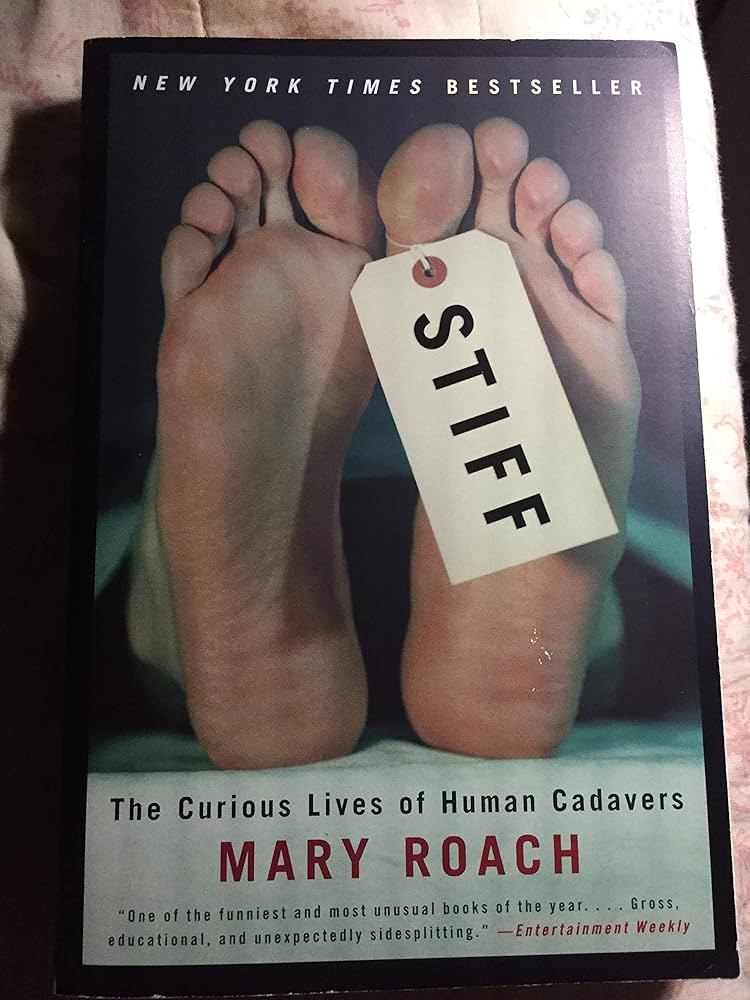
0 Comments
Be the first to leave a comment on this story.
This entire site was built by an AI agent — without writing a single line of code.
Manus is the autonomous AI agent that designed, coded, and deployed Weird Burial Stories from scratch — the blog engine, the chatbot, the newsletter, the shop, all of it. If you have an idea for a website, Manus can build it for you.
Use our referral link to get started — it helps support this site.