


This article contains Amazon affiliate links. If you purchase through them, Weird Burial Stories earns a small commission at no extra cost to you.
# Viking Funeral vs. Modern Burial: What the Ancient Norse Actually Did (vs. the Movies)
A Viking funeral, in its true historical context, refers to a complex set of burial practices employed by the Norse peoples during the Viking Age (roughly 793-1066 CE), often involving cremation on a pyre, sometimes within a ship, or inhumation in elaborate grave mounds. These ancient Norse customs were deeply intertwined with their spiritual beliefs about the afterlife, honor, and the journey to realms like Valhalla or Helheim, offering a stark contrast to the standardized, often secularized modern burial practices prevalent today. For death history enthusiasts, understanding this distinction is crucial to appreciating the rich tapestry of human responses to mortality across millennia.
Table of Contents
1. [The Cinematic Myth vs. Historical Reality of Viking Funerals](#the-cinematic-myth-vs-historical-reality-of-viking-funerals) 2. [The Spiritual Landscape of Norse Death and Afterlife](#the-spiritual-landscape-of-norse-death-and-afterlife) 3. [Actual Viking Burial Practices: Beyond the Burning Ship](#actual-viking-burial-practices-beyond-the-burning-ship) 4. [Grave Goods and Offerings: Equipping the Deceased for the Afterlife](#grave-goods-and-offerings-equipping-the-deceased-for-the-afterlife) 5. [Modern Burial Practices: A Comparative Overview](#modern-burial-practices-a-comparative-overview) 6. [The Enduring Legacy: How Viking Funeral Traditions Influence Us Today](#the-enduring-legacy-how-viking-funeral-traditions-influence-us-today)The Cinematic Myth vs. Historical Reality of Viking Funerals
When most people hear "Viking funeral," an immediate image springs to mind: a grand longship, laden with a deceased chieftain and his treasures, set ablaze as it drifts out to sea, an arrow shot by a grieving loved one igniting the pyre. This dramatic scene, popularized by Hollywood blockbusters and fantasy epics, is undeniably captivating. It evokes a sense of epic heroism, a fiery send-off befitting a warrior. However, like many cinematic portrayals of history, this iconic image is largely a romanticized fabrication, a dramatic composite that deviates significantly from the archaeological and textual evidence of what the ancient Norse actually did. The truth, while perhaps less visually spectacular in a movie sense, is far more complex, varied, and genuinely fascinating for those interested in death history.
The Hollywood Trope: A Fiery Farewell
The enduring image of the burning ship funeral primarily stems from a few key sources, often misinterpreted or exaggerated. The most famous literary account is Ibn Fadlan's 10th-century description of a Rus chieftain's cremation on the Volga River, which involved a ship, a pyre, and extensive rituals, including human sacrifice. While a valuable primary source, it describes a specific event among the Rus (Norsemen who settled in Eastern Europe), not a universal Viking practice. Hollywood has taken this rare, elaborate ritual and amplified it, making it the default "Viking funeral." The visual drama of a flaming ship sailing into the sunset is too good for filmmakers to resist, even if it sacrifices historical accuracy for narrative impact.Archaeological Evidence: What We Actually Find
Archaeological digs across Scandinavia, the British Isles, and other Viking Age territories reveal a much broader spectrum of burial practices than the singular burning ship. While ship burials did occur, they were almost exclusively for individuals of high status, such as powerful chieftains or wealthy women. Crucially, these ships were almost always buried in mounds, not set adrift and burned at sea. The Oseberg ship burial in Norway, for instance, is a magnificent example of a well-preserved ship interred in a massive mound, not burned. The sheer effort and resources required for such a burial meant it was reserved for an elite few, not the common person.The Practicalities of a Burning Ship at Sea
Consider the logistics of a burning ship funeral at sea. First, setting a large wooden vessel fully ablaze to consume a body and grave goods would require an immense amount of fuel and sustained heat. Second, controlling such a fire on a drifting vessel would be incredibly difficult, and the ship would likely sink long before it was fully consumed, especially if laden with heavy items. Third, the idea of an arrow igniting a pyre from a distance is highly improbable; a ship would need to be thoroughly doused in accelerants and lit carefully. These practical challenges further underscore why such a spectacle would have been exceedingly rare, if it occurred at all, beyond the specific context described by Ibn Fadlan. The movies, while entertaining, have painted an inaccurate picture that needs correction for true death history enthusiasts.The Spiritual Landscape of Norse Death and Afterlife
To truly understand Viking funeral practices, one must first delve into the complex and often fluid spiritual beliefs of the ancient Norse. Their worldview was not monolithic, but rather a rich tapestry of myths, sagas, and oral traditions that shaped their perceptions of life, death, and the journey beyond. Unlike the Abrahamic religions with their clear-cut heaven and hell, the Norse afterlife was a multi-faceted realm, with various destinations awaiting the deceased based on their life, status, and manner of death. This intricate spiritual framework dictated the rituals, grave goods, and overall approach to death that characterized the Viking Age.
Valhalla, Helheim, and Other Destinations
The most famous Norse afterlife destination is, without a doubt, Valhalla, the hall of Odin in Asgard. It was believed to be a glorious feasting hall where slain warriors, chosen by the Valkyries, would spend their days fighting and feasting, preparing for Ragnarök, the twilight of the gods. However, Valhalla was not the only, nor even the most common, destination. Many, perhaps most, of the deceased were believed to go to Helheim, ruled by the goddess Hel. This was not a place of punishment like Christian hell, but rather a cold, shadowy realm for those who died of sickness, old age, or non-heroic means. Other possible destinations included Fólkvangr, Freya's field, which also welcomed fallen warriors, and the possibility of remaining in their burial mound as a protective spirit or draugr. The diversity of these destinations meant that the rituals surrounding death were often tailored to guide the deceased to their appropriate spiritual home.The Importance of Honor and Status
In Norse society, honor (drengrskapr) was paramount. How one lived, fought, and died profoundly impacted their status in life and their prospects in the afterlife. A glorious death in battle was the most esteemed, almost guaranteeing a place in Valhalla. This emphasis on honor extended to burial practices. The more elaborate the funeral, the more prestigious the individual, and the greater the respect shown to their memory. Grave goods, the size of the mound, and the nature of the rituals all served to reinforce the deceased's status and ensure their continued influence, even in death. This societal value system meant that a chieftain's burial would be vastly different from that of a thrall (slave).Ancestor Worship and the Living-Dead
The Norse also held a strong belief in the continued presence and influence of their ancestors. The deceased were not simply gone; they could remain connected to their families and lands. Burial mounds, in particular, were often seen as sacred places where the ancestors resided, offering protection and wisdom to the living. Offerings might be made at these mounds, and the deceased were sometimes consulted for guidance. This concept of the "living-dead" meant that a proper burial was not just about sending the deceased off, but also about establishing a respectful relationship with them in their new state. The fear of a restless spirit, or draugr, also underscored the importance of correct burial rituals to ensure the dead stayed peacefully in their graves.📚 Recommended Resource: From Here to Eternity by Caitlin Doughty This book offers a fascinating global tour of death customs, providing cultural context and challenging Western norms, making it an excellent companion for anyone exploring the diverse practices of the ancient Norse and beyond. [Amazon link: https://www.amazon.com/dp/0393356248?tag=seperts-20]
Actual Viking Burial Practices: Beyond the Burning Ship
While the image of a burning ship funeral dominates popular imagination, the archaeological record and historical texts paint a far more nuanced picture of Viking Age burial practices. The truth is that the Norse employed a wide array of methods for interring their dead, reflecting social status, geographic location, period, and individual beliefs. These practices ranged from simple inhumations to elaborate ship burials, often involving a combination of cremation and interment. Understanding these diverse approaches is key to appreciating the true complexity of a Viking funeral.
Inhumation: The Most Common Practice
The most prevalent form of Viking burial, especially for the common person, was inhumation – simply burying the body in the ground. These graves could range from simple pits to more elaborate wooden chambers. The deceased would often be laid to rest with a selection of personal belongings, reflecting their daily life and status. For instance, a farmer might be buried with tools, a woman with jewelry or household items. These graves were typically marked with stones or small mounds, and while not as grand as the elite burials, they were still treated with respect and ritual. The shift towards Christianity in later Viking Age periods also saw an increase in inhumation, often in consecrated ground.Cremation: Fire as a Cleansing and Guiding Force
Cremation was also a very common practice throughout the Viking Age, particularly in earlier periods. The body would be placed on a pyre, often with grave goods, and burned. The remains – bone fragments and ashes – would then be collected and either buried in a small mound, placed in an urn, or sometimes scattered. The act of cremation was believed to release the spirit from the body, allowing it to begin its journey to the afterlife. Fire was seen as a purifying and transformative element, capable of preparing the deceased for their next existence. The famous described Rus chieftain's funeral by Ibn Fadlan involved cremation on a ship, highlighting that while rare for a ship to be burned at sea, cremation on a ship or pyre was certainly a method of disposal.Ship Burials: Prestige and Power Below Ground
The most iconic and resource-intensive Viking burials were the ship burials, but as previously noted, these were almost always interred in mounds, not burned and set adrift. These magnificent burials were reserved for the highest echelons of society – kings, queens, chieftains, and powerful individuals. The deceased would be placed in a ship, often accompanied by an astonishing array of grave goods: weapons, tools, jewelry, domestic animals (horses, dogs), and sometimes even sacrificed human attendants. The ship, acting as a symbolic vessel for the journey to the afterlife, would then be dragged inland and covered by an enormous earthen mound.Case Study: The Oseberg Ship Burial — Before/After
Before: In 834 CE, a magnificent 70-foot longship, exquisitely decorated with intricate carvings, was prepared for the burial of two high-status women, likely a queen and her attendant, in Vestfold, Norway. The ship was filled with an unparalleled collection of grave goods, including a richly decorated cart, four sleighs, textiles, kitchen utensils, and the sacrificed remains of 15 horses, 6 dogs, and 2 oxen. The bodies of the women were laid in a burial chamber within the ship.
After: The entire ship, with its precious cargo and occupants, was then meticulously covered by a massive mound of peat and stones, sealing it from the elements. This deliberate act of burial, rather than burning, preserved the ship and its contents in remarkable condition for over a millennium. When excavated in 1904, the Oseberg ship provided an invaluable window into Viking Age craftsmanship, wealth, and burial customs, demonstrating a profound commitment to equipping the deceased for their journey, all beneath the earth, not upon the waves.
Other Burial Forms: From Chamber Graves to Standing Stones
Beyond these primary methods, archaeological evidence points to other variations. Chamber graves, often constructed from wood or stone, provided a more robust enclosure for the deceased and their possessions. In some areas, standing stones or runestones were erected to commemorate the dead, sometimes marking a burial site, sometimes simply serving as a memorial. The diversity underscores that the ancient Norse were pragmatic and adaptable, their burial practices evolving with available resources, cultural influences, and changing beliefs over time. A Viking funeral was rarely a one-size-fits-all event.Grave Goods and Offerings: Equipping the Deceased for the Afterlife
A crucial aspect of any Viking funeral, regardless of whether it was an inhumation, cremation, or ship burial, was the inclusion of grave goods and offerings. These items were not merely symbolic; they were believed to be essential provisions for the deceased's journey to the afterlife and their continued existence in the spirit world. The selection and quantity of grave goods offered invaluable insights into the individual's status, gender, occupation, and the beliefs of their community regarding the needs of the dead.
Weapons and Tools: For the Warrior and the Craftsman
For men, especially those of warrior status, weapons were common grave goods. Swords, axes, spears, shields, and sometimes even armor were interred with the deceased, reflecting their role in battle and their anticipated need for defense or hunting in the afterlife. For craftsmen or farmers, tools of their trade – smithing tools, agricultural implements, fishing gear – were often included, suggesting a belief that their skills and occupations would continue beyond death. These items were not just practical; they were also symbols of identity and status.Jewelry and Adornments: Status and Personal Identity
Both men and women were often buried with jewelry and personal adornments. Brooches (often used to fasten clothing), rings, necklaces, and beads have been found in numerous graves. These items served multiple purposes: they indicated wealth and status, provided a sense of personal identity, and were believed to be necessary for the deceased to present themselves appropriately in the afterlife. The craftsmanship of these items, from intricate silverwork to amber beads, speaks volumes about the value placed on personal appearance and adornment.Domestic Items and Food: Sustenance and Comfort
For women, particularly, domestic items were frequently included. Spindle whorls, weaving implements, cooking utensils, and keys (symbolizing authority over the household) are common finds. These suggest a belief that women's roles in managing the household and providing sustenance would continue. Food and drink offerings, sometimes found in pottery or wooden vessels, were also common, intended to nourish the deceased on their journey or in their new realm. The presence of these items highlights a holistic view of the afterlife, where basic needs for comfort and sustenance were still considered important.Animal Sacrifices: Companions and Transportation
The sacrifice and burial of animals were significant offerings, particularly in elite burials. Horses were frequently interred, likely intended as mounts for the deceased in the afterlife, facilitating their journey or providing companionship. Dogs were also common, often seen as loyal companions and guardians. Other animals, such as oxen, sheep, and even birds, have been found, suggesting their role as food provisions or symbolic offerings. These animal sacrifices underscore the belief in a tangible afterlife where the deceased would continue to need their earthly companions and resources.Human Sacrifices: A Rare, Dark Practice
While rare and highly controversial, some elite Viking burials, most notably the Rus chieftain's funeral described by Ibn Fadlan, included human sacrifices. In Fadlan's account, a slave girl voluntarily accompanied her master to the afterlife, undergoing a ritualized death. Archaeological evidence from sites like the Oseberg ship burial also suggests the presence of sacrificed individuals, likely attendants or slaves, intended to serve their master or mistress in the next world. This practice, while horrifying by modern standards, reflects an extreme form of devotion and a belief in the continuation of social hierarchies beyond death. It's important to note that this was not a widespread or common practice across all Viking societies.Modern Burial Practices: A Comparative Overview
The journey from ancient Norse burial rituals to contemporary practices reveals a profound shift in societal values, religious beliefs, and technological capabilities. While the core human need to honor the dead and process grief remains constant, the methods by which we do so have transformed dramatically. Modern burial practices, particularly in Western societies, are largely influenced by Christian traditions, public health regulations, and the rise of the funeral industry, presenting a stark contrast to the self-sufficient, spiritually guided approaches of the Viking Age.
The Rise of Embalming and the Funeral Home
One of the most significant divergences is the widespread adoption of embalming. While rudimentary preservation methods existed in various ancient cultures, modern embalming, involving the arterial injection of chemical preservatives, became common in the United States during the Civil War to transport fallen soldiers home. Today, it's a standard practice in many Western funerals, though not legally required everywhere. This contrasts sharply with the Norse, who had no such chemical preservation; their bodies were either quickly cremated or allowed to decompose naturally. The modern funeral home, a specialized commercial entity, now orchestrates most aspects of post-mortem care, from embalming to memorial services, a role that was once performed by family and community members.Standardized Caskets and Grave Markers
Modern burials typically involve the use of a casket, a sealed container designed to hold the deceased. These range from simple pine boxes to elaborate, expensive metal or hardwood models. The casket is then usually placed into a grave liner or burial vault, a concrete or plastic outer container designed to prevent the ground from sinking as the casket deteriorates. These practices are largely absent in Viking burials, where bodies might be wrapped in cloth or placed directly into the earth or a wooden chamber. Grave markers, from simple headstones to elaborate monuments, are also a standard feature of modern cemeteries, providing a permanent memorial and identifying the deceased. While the Norse used runestones and mounds, the aesthetic and purpose often differed.Religious Rites vs. Secular Ceremonies
Modern funerals are often deeply intertwined with religious traditions, particularly Christianity in many Western countries. Services typically take place in churches or funeral homes, featuring prayers, hymns, and eulogies delivered by clergy. However, there's also a growing trend towards secular or personalized ceremonies, reflecting a more diverse population. In contrast, Viking funerals were guided by Norse pagan beliefs, focusing on rituals to appease gods, ensure safe passage to the afterlife, and honor ancestors, often performed by community elders or specific ritual specialists. The modern emphasis on a "celebration of life" or a personalized farewell stands apart from the Norse focus on the deceased's journey and societal status.Environmental Concerns and Green Burials
A relatively new development in modern burial practices is the increasing awareness of environmental impact. Traditional embalming fluids, non-biodegradable caskets, and concrete vaults are seen by some as harmful to the environment. This has led to the rise of "green burials," which prioritize ecological sustainability. These involve biodegradable caskets or shrouds, no embalming, and natural decomposition, often in designated natural burial grounds. This movement, in a way, echoes the more natural, less interventionist approach of ancient burials, albeit with a modern ecological consciousness. The Norse, of course, had no concept of "green burial" as their methods were inherently natural and integrated with the environment.Comparison Table: Viking Funeral vs. Modern Western Burial
| Feature | Ancient Norse Viking Funeral (Viking Age, c. 793-1066 CE) | Modern Western Burial (21st Century) | | :----------------------- | :-------------------------------------------------------- | :----------------------------------------------------------------- | | Primary Method | Inhumation (most common), Cremation, Ship Burial (elite) | Inhumation (casketed), Cremation (ashes interred/scattered) | | Body Preparation | No chemical preservation; natural decomposition | Embalming (common, not always required); washing, dressing | | Container | Shroud, wooden chamber, ship, direct earth | Casket (wood, metal); sometimes a burial vault/liner | | Location | Grave mounds, simple pits, family land, consecrated ground | Cemeteries (public/private), churchyards, natural burial grounds | | Grave Goods | Extensive: weapons, tools, jewelry, animals, food, human sacrifice (rare) | Limited: personal items, flowers; sometimes small mementos | | Religious/Spiritual | Norse paganism; focus on afterlife journey (Valhalla, Helheim), ancestor reverence | Predominantly Christian, secular, or other faiths; focus on remembrance, comfort | | Post-Mortem Care | Family/community responsibility; ritual specialists | Funeral homes, morticians, clergy; professional services | | Environmental Impact | Minimal (natural decomposition) | Varies (traditional: higher; green burial: lower) |
📚 Recommended Resource: Stiff: The Curious Lives of Human Cadavers by Mary Roach This irreverent yet deeply informative book explores the fascinating and often bizarre history of what happens to human bodies after death, from medical research to crash test dummies, offering a unique perspective on mortuary science. [Amazon link: https://www.amazon.com/dp/0393324826?tag=seperts-20]
The Enduring Legacy: How Viking Funeral Traditions Influence Us Today
While the days of elaborate ship burials and pyres are long past, the spirit of the Viking funeral, particularly its emphasis on honor, remembrance, and the journey of the soul, continues to resonate in subtle and sometimes surprising ways. The ancient Norse approach to death, deeply intertwined with their culture and beliefs, offers a powerful lens through which to examine our own contemporary customs and anxieties about mortality. For the morbidly curious and students of death history, understanding this legacy is not just about historical accuracy, but about recognizing the universal human need to make sense of death.
Romanticized Imagery in Popular Culture
The most obvious legacy of the Viking funeral is its enduring presence in popular culture. Despite historical inaccuracies, the image of the burning ship funeral has become a powerful archetype for a heroic, dramatic send-off. Movies, TV shows, video games, and fantasy literature frequently employ this imagery to signify ultimate respect, a warrior's end, or a grand farewell. This romanticized version has shaped our collective imagination, even influencing modern memorial services that seek to evoke a sense of epic closure, albeit without the actual fire and ships. It's a testament to the power of a compelling narrative, even when it deviates from historical fact.The Desire for Personalized and Meaningful Farewells
One can draw parallels between the highly personalized and status-driven Viking burials and a growing trend in modern society: the desire for unique, meaningful, and personalized funerals. Just as a Viking chieftain's grave goods reflected his life and achievements, many people today seek to tailor memorial services to truly reflect the deceased's personality, hobbies, and values. This might involve non-traditional venues, custom eulogies, specific music, or even themed events. This shift away from highly standardized, cookie-cutter funerals towards more individualized commemorations echoes the ancient Norse understanding that a farewell should be as unique as the life it honors.Green Burials and a Return to Nature
The modern green burial movement, which advocates for environmentally friendly practices like biodegradable caskets, natural decomposition, and no embalming, finds an unexpected resonance with ancient Norse practices. While the Norse didn't frame their burials in terms of "environmentalism," their methods were inherently natural and integrated with the earth. Bodies were returned to the soil or cremated, and grave goods were often organic. This contemporary desire to reconnect with nature in death, minimizing human impact and allowing for natural cycles, inadvertently harks back to a pre-industrial approach to interment, much like what the Vikings practiced.The Enduring Fascination with Death Rituals
Ultimately, the enduring legacy of the Viking funeral lies in its contribution to our collective fascination with death rituals. The ancient Norse, with their rich mythology and varied practices, provide a compelling case study for how different cultures grapple with mortality. Their beliefs about Valhalla, Helheim, and the journey of the soul offer a stark contrast to many modern perspectives, yet the underlying human emotions – grief, remembrance, hope for an afterlife, and the desire to honor the dead – remain universal. Studying a Viking funeral, in its true historical context, enriches our understanding of the human condition and the diverse ways we confront our ultimate end.Frequently Asked Questions
Q: Did Vikings really burn their dead in ships and send them out to sea? A: No, this is largely a cinematic myth. While ship burials were a real and important practice for high-status individuals, the ships were almost always buried in mounds on land, not set ablaze and sent out to sea. The most famous account of a burning ship (Ibn Fadlan's) involved a Rus chieftain on a river, not the open ocean, and was an extremely rare, elaborate event.
Q: What was the most common type of Viking funeral? A: The most common Viking funeral practices were simple inhumation (burying the body in the ground) or cremation, especially for common people. These could range from simple pits to more elaborate graves with grave goods, but they rarely involved ships.
Q: Where did Vikings believe they went after death? A: The Norse believed in several afterlives. Warriors slain in battle might go to Valhalla (Odin's hall) or Fólkvangr (Freya's field). Most people, however, were believed to go to Helheim, a cold, shadowy realm ruled by the goddess Hel. Ancestor spirits could also remain in their burial mounds.
Q: What kind of items were buried with Vikings? A: Grave goods varied widely based on the deceased's status, gender, and wealth. Common items included weapons (swords, axes), tools (for farming, crafting), jewelry (brooches, rings), domestic items (spindle whorls, cooking pots), food, and sacrificed animals (horses, dogs).
Q: Were human sacrifices part of Viking funerals? A: Human sacrifice was an extremely rare and controversial practice, primarily documented in one specific account by Ibn Fadlan regarding a Rus chieftain. Archaeological evidence also suggests sacrificed individuals in some elite burials, likely attendants or slaves. It was not a widespread or common practice across all Viking societies.
Q: How do modern burials differ from Viking funerals? A: Modern Western burials typically involve embalming, caskets, and burial vaults in cemeteries, often guided by Christian or secular rites. Viking funerals involved no chemical preservation, used shrouds or simple containers, and were guided by Norse pagan beliefs, often including extensive grave goods and elaborate mound constructions.
Q: What is the significance of a ship in a Viking burial? A: A ship in a Viking burial symbolized a vessel for the deceased's journey to the afterlife. It represented status, wealth, and the means to navigate the spiritual realms. These ships were almost always buried within large earthen mounds, protecting the deceased and their possessions.
Q: Why do movies often depict Viking funerals inaccurately? A: Movies often prioritize dramatic effect and visual spectacle over historical accuracy. The image of a burning ship drifting out to sea is incredibly cinematic and has become an iconic, albeit largely fictionalized, representation of a "Viking funeral" in popular culture.
Conclusion + CTA
The journey through the true history of the Viking funeral reveals a world far more complex, varied, and fascinating than the fiery, cinematic spectacle often portrayed. From the prevalence of simple inhumations and cremations to the awe-inspiring, yet buried, ship burials of the elite, the ancient Norse approached death with a profound respect for honor, status, and the spiritual journey. Their practices were deeply interwoven with their rich mythology, guiding the deceased to Valhalla, Helheim, or other realms, and equipping them with an array of grave goods for their eternal existence. Comparing these ancient customs to modern burial practices highlights the dramatic shifts in our societal values, religious beliefs, and technological capabilities, yet also underscores the enduring human need to mourn, remember, and honor those who have passed. Understanding the Viking funeral in its historical context not only corrects popular misconceptions but enriches our appreciation for the diverse tapestry of human responses to mortality across millennia.
Want more stories from the edge of death and history? [Join the Burial Codex](https://weirdburialstories.com) — our free newsletter for the morbidly curious — and get instant access to 13 exclusive weird burial stories.

FILED UNDER
ENJOYED THIS STORY?
Join The Crypt for one exclusive deep-dive every week — stories never published anywhere else.
Join The Crypt — $1.99/moWANT TO KNOW MORE?
Ask Mortimer the Mortician — our French burial historian AI — anything about this topic or any other.
Ask Mortimer →Death-Themed Finds
Sponsored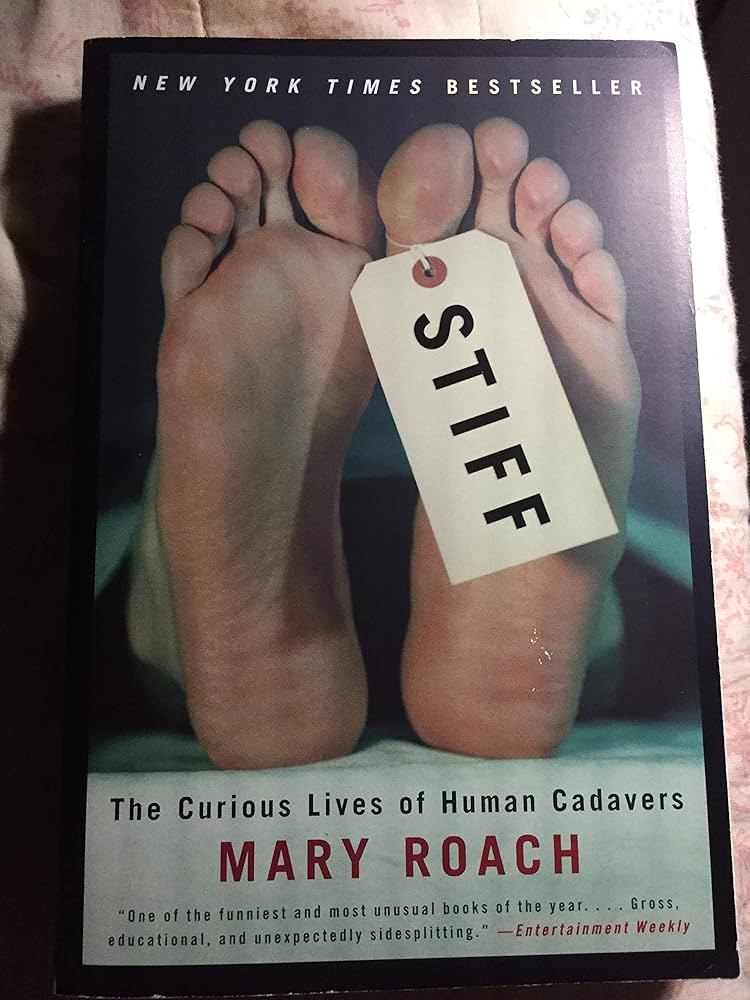
0 Comments
Be the first to leave a comment on this story.
This entire site was built by an AI agent — without writing a single line of code.
Manus is the autonomous AI agent that designed, coded, and deployed Weird Burial Stories from scratch — the blog engine, the chatbot, the newsletter, the shop, all of it. If you have an idea for a website, Manus can build it for you.
Use our referral link to get started — it helps support this site.